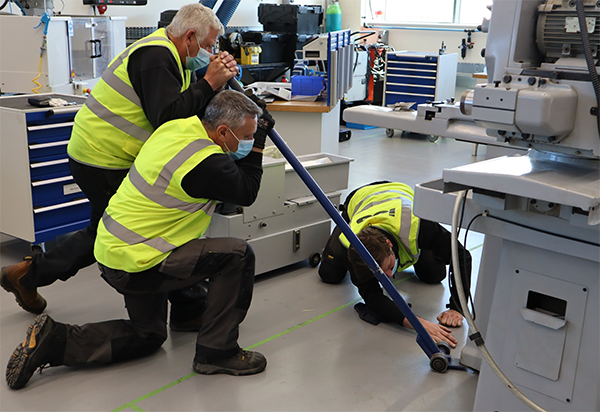
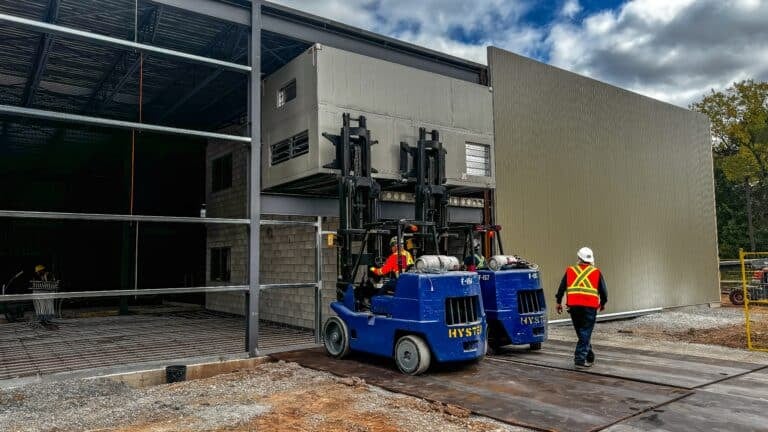
It’s always very important to focus on heavy equipment safety when we perform any major changes to machinery in our business. As a site manager, your focus is to ensure that the machinery transport, pricing, and safety are always under control. And once you adapt and narrow down everything in an effective and cohesive way, the results can be nothing short of exceptional. But rest assured that if you do it right, the potential can be second to none every single time.
Why do you need some extra planning?
Realistically, you always want to plan moves and ensure that they are working as smoothly as possible. There can be mechanical, but also personal hazards, not to mention road issues and even some environmental problems. All of those can be inherently problematic, and knowing how to adapt and manage those is going to make a huge difference in the long term.
Pre-move planning
During the pre-move process, you always want to be prepared for stuff and ensure that you focus on heavy equipment safety.
Define the scope of your move
You want to identify what needs to be moved, obviously. And then, you want to see how the heavy equipment gets moved, but also the distance and duration of the move. If you require any attachments, you will have to think about those and acquire them.
Conduct a route and site assessment
It’s a crucial step because you want to inspect the ground conditions and see if it will/can support the weight of your machinery. Another thing you want to check out would be obstacles. And while here, you also want to map the route and identify any possible hazards that you might be dealing with. It won’t be a heavily involved process, but the outcome as a whole will be second to none.
Get the permits
Sometimes, moving heavy equipment will require permits. It depends on the local laws and regulations. Check those and see if permits are necessary. You could need overweight/oversized permits, escort vehicles, police coordination, and so on. It’s easy to overlook this type of stuff, so realistically, you want to factor in these things, and you want to do that as early as possible.
Create a move plan
In the meantime, you also want to create a move plan. That should outline all the necessary steps. As you do that, you also want to assign specific roles to signalers, riggers, operators, and so on. And yes, it also makes sense to establish any communication protocols, and you want to schedule the move during the daylight hours, whenever you can.
Preparing and inspecting the heavy equipment
Inspect the machines
Before you move the machine, you obviously want to check for any damage or leaks. Also, at this time, you want to verify the fluid levels, remove attachments, lock the moving parts, and clean the machine. Making these changes is important, and it will make a huge difference every single time. Cleaning the machine is also going to help quite a bit.
Inspecting the equipment and confirming compatibility
At this point, you do want to check the transport vehicle and make sure that it all works correctly and cohesively. Inspecting the binders, chains, and even the tie-down points is going to be even more helpful. Even inspecting the loading ramps and loading angles is going to help, because you want to take everything into account, every situation that could lead to potential issues.
Preparing your team
You always want to ensure that heavy equipment safety is paramount, and starting with your team is a very good idea. You need to verify qualifications and also conduct a pre-move safety meeting, as that is only going to make the experience better and more interesting, which is a crucial part of the process. Talk with the team during a pre-move safety meeting, during which you assign roles, review the move, establish any emergency procedures, etc.
And of course, you also want to think about making sure that the team has all the necessary equipment. Things like gloves, hard hats, high visibility vests, steel-toe boots, gloves, ear and eye protection, and fall protection items, all of those are super important. All of this personal protective equipment is always going to be paramount and crucial to have, and it’s totally a thing you have to focus on.
Loading and securing heavy equipment
It’s a big part of the process because you do want to focus on heavy equipment safety as much as you can. And in these cases, it’s not only about the machinery transport pricing. You do want the devices and equipment to not suffer from any damage. Because if they do or when they do, that will become inherently problematic, and it’s only going to make things a whole lot more challenging than you expect.
Loading procedure
During this part, you want to stabilize the transport vehicle and use signalers and spotters. Align the machine with as much care as possible, load it slowly, and use ramps to lift the heavy equipment properly. Of course, you do want to verify the angles and use the right rigging.
Securing the load
Now you want to focus on securing the load in such a way that there won’t be any specific downsides or major problems. Engage the parking brakes and use straps, binders, or chains. Also, having at least four tie-downs is crucial here, and it will help streamline things in a way that’s more effective and comprehensive.
Do some final checks before moving
Ideally, you will need to walk around the vehicle, double-check stuff, and also confirm any documentation or permits that you have. Verify that the escort vehicles are ready, if you have any, and ensure that all the communication devices are working flawlessly. It does take quite a bit of time, but it’s totally something to consider.
Transportation risk management
- During this time, a very important part of the process is to maintain lower speeds, because heavy loads will require long stopping distances. It does help to have a wide buffer zone in front and prevent sudden braking.
- Monitor the route and be alert for obstacles, detours, or any road work. Having a pilot car that scouts ahead is always going to help. And of course, you have to monitor the weather and make changes on the spot, where necessary.
- Communication is key during these times, as you always want to be prepared for any issues or challenges that will arise in front of you, as you never know how those problems might appear.
- Emergency preparedness also matters because you want to have fire extinguishers and first aid kits in there. Plus, you even need to have a system in place in case there are accidents or breakdowns, as it will prevent problems down the line.
Arriving and unloading
When you arrive at the destination, you will need to prepare the site, barricade the unloading area, and recheck the visibility conditions. Reverse the loading process and make sure that you are using spotters wherever you can. Inspect the heavy equipment and see if there is any damage. And of course, if there is damage, you want to figure out how to repair it properly, which is going to help quite a bit. Record the condition of your equipment, log any incidents and store the inspect the condition of your equipment.
Do a post-move review
During this, you want to have a debrief session and discuss any issues or problems encountered. It’s important because it allows you to address issues and ensure that you won’t have to deal with those down the line. However, you do want to keep records of equipment that was moved, what personnel were involved, what the inspection results, permits, and route maps that you used, and so on.
Common mistakes to avoid
- Try not to avoid knowing the ground conditions, because those can have a major influence on heavy equipment safety.
- Neglecting communication is another problem, and one that you do want to avoid the best way that you can.
- Some people fail to remove attachments during the move process, so it’s something to consider.
- Never skip inspections; they matter, and they will help uncover all kinds of small issues that could potentially appear during this process.
- Overloading the transport vehicles can lead to problems, mainly because having too much of a load will lead to damage or stability problems.
Conclusion
It’s always inherently important to focus on heavy equipment safety. And these tips and steps shown above will help you stay away from potential issues or challenges that can arise. It’s not always going to be the easiest thing, but if you do it correctly, the results will be second to none. That’s why we recommend taking your time and not rushing, because it’s making the experience a whole lot better. Take all the ideas and tips into account, as they streamline the move, keep it safe, while also not increasing the machinery transport pricing as much, either!