Transporting large assets is very difficult, and it always comes with its fair share of challenges. There are many risks, ranging from engineering challenges to safety concerns, and also the various costs related to transporting heavy machinery. That’s why you want to use machinery movers in Toronto, as it will be much easier to handle that entire situation. Thankfully, there are some risk management strategies that will make transporting oversized industrial assets a whole lot easier.
Create a risk-free brief
Starting with an adequate brief that covers all information is extremely important. A very good idea is to check the asset condition and identity, and also the overall acceptance criteria. You also want to start sharing responsibilities among the team members, too. And on top of that, you will need to narrow down the key constraints and also the primary hazards. Documenting all of this early on will help create a common reference for the latter clauses and risk assessments.
Do an engineering assessment for the asset
Oversized industrial assets will need adequate assessment in order to avoid risks. And that’s the thing, when you are dealing with extremely complex tools, you always want to study them before hiring the machinery movers in Toronto. You want to do a structural analysis and study the securing and lifting points.
Additionally, you also need to know more about the mass distribution and center of gravity, as all of these matter. And of course, you also need to focus on the shock tolerance and dynamic response, but also on the support and attachment design. The idea here is to get the transport frames, validate everything with the FEA, and in the end, it will lead to a much better experience. That’s what you want to pursue after all, and the outcome will be second to none.
Select the right machinery movers for oversized industrial assets
When you want to hire machinery movers in Toronto, you always want to focus on getting the best people that you can. Working with someone who has a lot of experience and who focuses on load safety above everything else is crucial, and it will help a whole lot more than expected. Here’s what you want to know:
- Check their experience and previous work. That will give you a good idea about the value that they can provide and whether they are a good fit or not for this particular project.
- Studying their engineering credentials is definitely helpful because you want to see if they are accustomed to transport analysis or lifting, which is crucial to take into consideration.
- Do they have any escorting service and can assist with local permit acquisition? These are both crucial tasks to keep in mind, and they are indeed super important, which is why you have to take them all into account.
- Good experience with a safety management system will help quite a bit, and it’s exactly the type of thing that you want to focus on as much as possible.
- WCB and WSIB compliance also comes in handy, since it gives adequate limits for third-party liability, workers’ compensation, and cargo insurance, among others.
- Also, it doesn’t hurt if you ask for site visits and references. Seeing their previous work firsthand is a great and helpful way to narrow down which is the better option.
Route planning
For many people, route planning means just going with the shortest path. But the truth is that you need to focus on a whole lot more than that. You need to do a desktop route review and also a physical route survey. Checking the structures and bridges, taking into account seasonal and environmental risks, will matter a lot. And when it comes to very large transports like these, you have to consider temporary road clusters and other things of that nature. It truly is a crucial aspect to focus on, because it will help streamline the machinery-moving process, while also giving you more control.
Acquiring permits and escorts
Naturally, oversized industrial assets tend to have a lot of regulation attached to them. You need to get a permit for this type of load; otherwise, you will have fines, delays, and liability concerns. Go to the permit authority in the region, figure out what permits you need, and apply for them as quickly as possible. You might have to get permits from different authorities as well, depending on the items that you are moving.
Some permits can take weeks until they are processed, or they also need to be scheduled around various public safety resources. In the case of some machinery moving requirements, you will need to have a pilot or police car escort. These have to be paid on an hourly basis, so it’s yet another cost that you have to take into account. It might not seem that important at first, but it will surely make things a whole lot better. And of course, if there is any type of inter-provincial or international movement, you might have to deal with axle load rules, cross-border or customs requirements, and so on. Take these things into account when you are transporting oversized industrial assets, as they will matter quite a lot.
Rigging, securing, and lifting loads
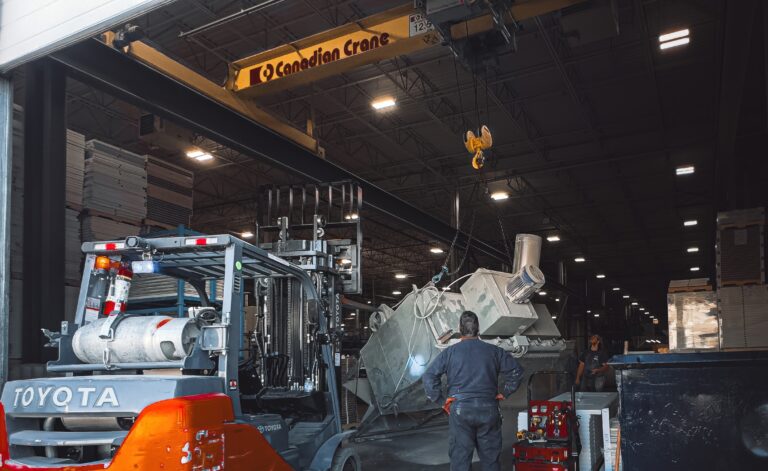
When you have such oversized industrial assets to deal with, you need qualified machinery movers in Toronto. And they should have certified inspectors and riggers, along with engineered lifting plans, where possible. Additionally, a very good idea is to ensure tension and torque checks. Redundant load control is extremely important in these types of situations as well.
And then, there are the load restraints for transport. Here, you need to select the right turnbuckles, lashings, chocking, and dunnage. Testing these and inspecting them is crucial, just to ensure that everything is ok. Plus, it does make sense to try and monitor them during transit, just to avoid any possible problems that could potentially arise.
Transport engineering
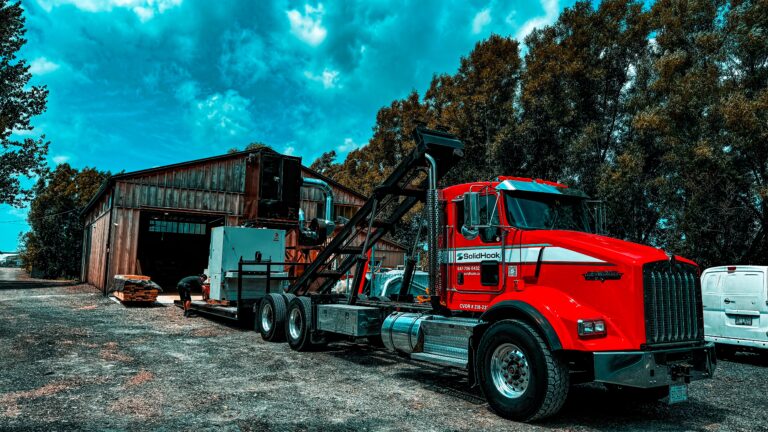
Pick the right suspension system and vehicle, because it’s imperative if you want to protect your assets wisely. The focus here is on getting the best axle loading and distribution system that fits your specific load. On top of that, it makes sense to focus a lot on suspension and damping, but also on getting dual braking systems, redundant steering control, and other redundancy features where you can.
Moreover, there are speed and handling policies that you need to focus on and abide by, not to mention you want to test runs and the loaded proof runs. That will help you match any oversized industrial assets requirements, while also being prepared in case there are any concerns. That way, you will stay safe, no matter the situation.
Communications and operational procedures
When it comes to moving heavy machinery, it does make a lot of sense to know all the operational procedures, so you can avoid any concerns. The main idea here is to get a permit to work and also perform a job safety analysis. On top of that, getting the right communication plan will help immensely here. And the same thing is valid in regards to traffic management plans and, of course, fatigue management. Even monitoring the weather and narrowing down when to go or not to go will help a whole lot more than expected.
Insurance
Insurance is a natural thing to have when you are dealing with machinery moving. Getting the right insurance and checking what the minimum limits and endorsements are will help a whole lot more than expected.
Plus, you do need to study the performance bonds, and also what the liability allocation is in the contract, where you can. The claims process is just as important, and it will help make things a whole lot better in the end, where you can.
Emergency response
The truth is that issues can arise at any time with this kind of stuff. The most important thing is to make sure that you are getting a good emergency plan in place, just in case there are any problems. And you also have to think of the on-site emergency equipment being there, especially if you need it as quickly as possible. Work with the recovery contractors and also perform public safety notifications where you can. Some post-incident investigation will also help, so you can determine what the issue was and what remediation steps were necessary.
Of course, aside from these, you also want to have the best digital controls and monitoring tools, along with training, human factors, and competence solutions. Even some environmental and community risk management solutions might come in handy in these situations.
Conclusion
Risk management is crucial whenever we talk about moving oversized industrial assets across any distance. Many issues can arise, so you really have to be very careful. Assessing that and figuring things out will help a whole lot more than expected. But with the best machinery movers in Toronto, things will be a whole lot easier to manage. Use that as an advantage, and the outcome will be much better in the end!