Industrial rigging has quickly become the go-to option when it comes to dealing with massive items in the manufacturing and construction world. After all, moving and handling large items can be difficult, so proper rigging can help streamline the process and make it much better than expected. On top of that, you also want to focus on streamlining the experience and making it as consistent as you can.
What should you know about industrial rigging?
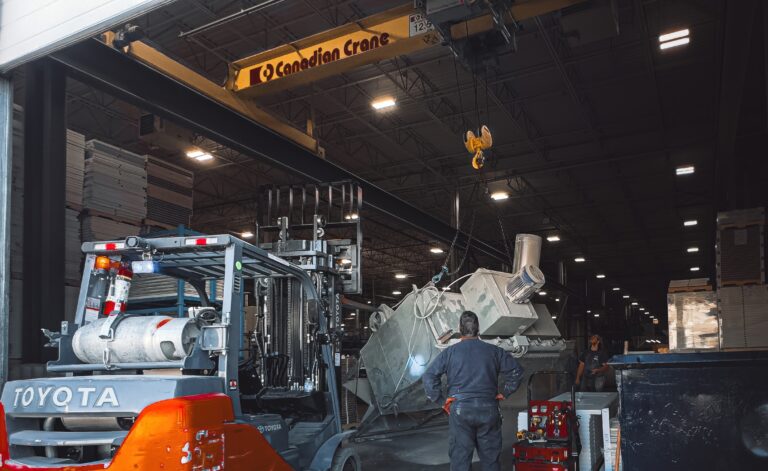
At its core, industrial rigging focuses on lifting, moving, securing and placing heavy loads. It involves the use of lifting devices, shackles, chains, slings, hoists, cranes and other items. A lot of the time, the items that you are handling here include irregular shapes, they are oversized or heavy, and they also tend to be installed in a complex environment. Rigging involves lots of calculations, analyzing the load distribution, and it’s a process that needs to be very accurate. Even the slight miscalculation can lead to thousands upon thousands of dollars in damages.
Why is industrial rigging important?
Generally, industrial rigging is a necessity because there’s an increasing scale and complexity when it comes to manufacturing or modern construction. It’s very important to take your time, focus on rigging and making sure that items are being handled and managed in an appropriate manner.
On top of that, there are very tight project deadlines. Moving large items around is very difficult, but you do need to do that on a tight schedule as well. That’s where industrial rigging is crucial, because it offers that consistency and result you want, while pushing the boundaries in more ways than you might expect. Plus, in the modern times, there’s a higher safety expectation here, which is crucial to take into consideration.
Using industrial rigging in construction
Erecting structural steel
A very common use for rigging in construction is when you are erecting structural steel. You need rigging for trusses, columns and beams. These items tend to be very heavy, so the rigging team will need to balance loads, coordinate the crane movements, secure the components so they can be safely installed, not to mention you also need to figure out what are the best loading points. And all of that is crucial, otherwise the moving process for those items will not work properly.
Installing precast concrete
Sometimes, precast concrete needs to be used, especially for larger constructions. Making sure that you have safe unloading for these precast elements is crucial. The same thing is valid when it comes to having precise placement with some tight tolerances, and you also need controlled lifting in order to prevent cracking, where possible.
Handling mechanical, plumbing and electrical systems
Rigging can also be great for things like industrial piping system moving, the same thing being valid for transformers, generators or HVAC units. Rigging is handy because it can help if you have limited access, a low ceiling height and you want to tackle structural obstacles.
Using industrial rigging in manufacturing
Manufacturing is another industry where rigging can be extremely useful. In fact, in this situation you will find yourself using rigging often, because there are tons of use cases where you will need to use heavy loads often.
Installing machinery
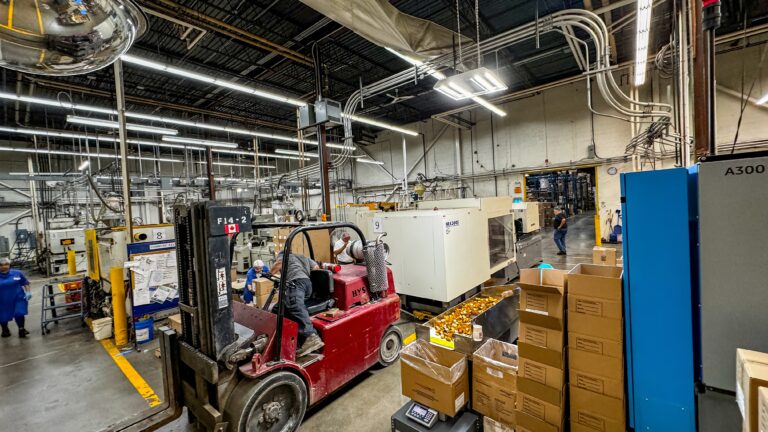
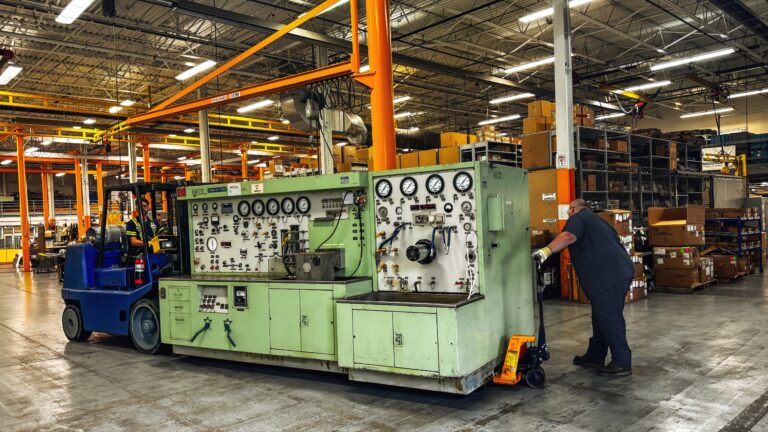
Most manufacturing machinery tends to be extremely heavy, so moving it around can be challenging. That’s where industrial rigging shines, because it will help you save time and effort. Plus, it streamlines the moving process, something that does matter a whole lot more than expected. Rigging also helps with movement through the factory floors, it offers safe offloading and precise leveling or positioning, something to take into account here.
Plant relocation
Sometimes, you will be forced to move your manufacturing space to a new location. And that can turn into a logistical nightmare. But it’s also the ideal time to use rigging for decommissioning the equipment, transporting everything, but also reinstalling and aligning everything, so it works exactly the way that you expect.
Then, there are maintenance and equipment placement requirements that you have to consider as well. All of these things matter quite a lot, and you really need to take that into consideration in a way that’s consistent and highly professional. You want to have a high level of coordination during these processes. And you can have it with help from professional rigging services.
What kind of equipment is used for industrial rigging?
That will depend on the project, because there are different types of requirements you need to take into consideration. Some of the most common lifting equipment includes hoists, gantry systems, tower cranes or even mobile cranes. But equipment used will always vary when it comes to the project, and that’s totally something you have to keep in mind here. After all, every situation will differ based on the site conditions, load weight and reach.
Rigging hardware can include spreaders, lifting beams, shackles, chains, wire rope slings and synthetic slings. Of course, more items can be added based on the difficulty of the situation and the aspects that you need to focus on.
Plus, we have to keep in mind that custom rigging solutions can sometimes be a necessity. For example, you could need something like bespoke lifting frames or cradles. Those are quite difficult to manage a lot of the time, and addressing those things is always going to streamline the process to make it better in the end. Use that as an advantage, and you will be amazed how everything comes together here.
Safety in industrial rigging
That’s the thing, safety is paramount when we talk about industrial rigging. And that’s for a very good reason. You need to be 100% sure that every process you perform is safe and the items as well as team members will be fine. That’s why industrial rigging involves:
- Risk management is a major part of rigging, because you have to take into account problems that might lead to failing loads or equipment failure. And of course, there’s also a potential human error in there as well.
- Riggers need to have professional training, certifications for different types of equipment, but also knowledge and expertise when it comes to the latest industry regulations.
- And of course, there also has to be adequate industry and regulatory compliance. The rigging team needs to adhere to the safety and health laws, but also the industry standard and any site-specific regulations.
Clearly, you will need to find a team of experts that have the certifications, knowledge and expertise that you want, and in doing so, the results will be great. You can’t leave this to anyone, so taking your time and finding the right industrial rigging partners will help quite a lot.
Conclusion
In the modern day, industrial rigging is incredibly important, especially in niches like manufacturing or construction. It helps deliver precise and safe handling for heavy loads, and it can also support any complex installations. These industries continue to grow, and there’s a huge demand for handling complex equipment. That’s where industrial rigging shines, and it can help offer the quality and results you expect. It’s a very good idea to work with a company that offers professional rigging services, so you can always move items safely and prevent any damage.