When we talk about industrial machinery installation, this is a very complex job. It requires multiple trades working together, all of which contribute towards a safe and operational system at the end. Coordinating all these trades to provide a seamless result can prove to be difficult. However, it’s something crucial, as otherwise you can encounter a vast array of challenges, stuff that you normally want to avoid to begin with.
Why multi-trade coordination is important during machinery installation projects?
It’s easy to see why, because this type of process is sequence-driven and every phase depends on the one beforehand. If you don’t have adequate coordination, the equipment could be placed incorrectly, the alignment or anchoring might be rushed, the electrical connections might not match final layouts and startup delays can become unavoidable. With coordination, you make sure that everything is working in sync. That becomes crucial, especially during important tasks like Plant Relocation.
Role of rigging crews during placement
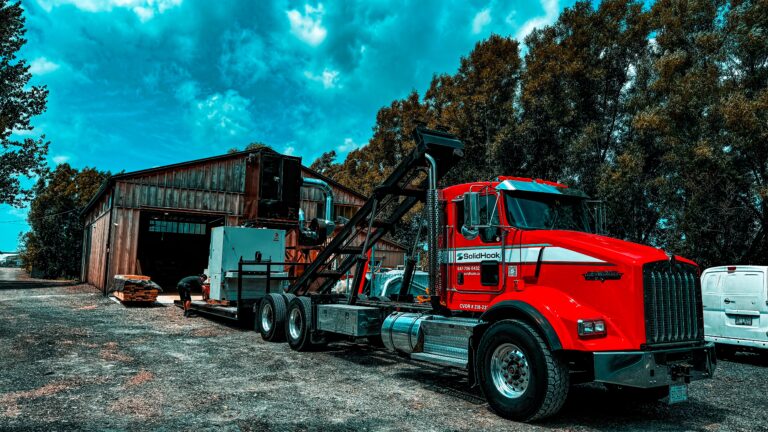
The rigging crew are usually the first trade that comes on-site during the installation process. Their role is to move and position the heavy machine safely, navigate the equipment within the facility, position machines in their final location and also handle heavy lifts and tight clearances.
Precision is crucial during this process, and that’s why you want to hire a professional Industrial Rigging service. If there are placement errors during this process, that can lead to inherent challenges for the trades to follow. That’s why precision is crucial here, and it’s totally a thing that you need to focus on.
Role of millwrights during alignment, anchoring, and final setup
But what about millwrights? They also have a major role, once the machinery is in place. They are the ones responsible for making sure that the equipment gets installed properly, and that it’s all ready for operation. They have major responsibilities, which include fine positioning/alignment, anchoring equipment to the foundation, leveling and shimming, installing as well as assembling mechanical components, but also making sure that tolerances are meeting the specifications offered by the manufacturer.
It makes sense to go with a Millwrighting / Equipment Installation service because they are always focused on long-term reliability and accuracy, something that matters quite a lot. Millwrights will always play a major role in making sure that the machine performance is the best it can be. They are bringing the much-needed precision you want during the installation process. And that’s why they are incredibly important during this process, which is a thing to take into consideration.
Role of electricians during disconnection, reconnection, and startup support
Clearly, electricians also need to focus on doing their work during this process. They are handling the electrical side of the installation. That means they need to be 100% sure that the machines receive all the power they need. And of course, they also need to be fully integrated into the systems of the facility, something that’s incredibly important to keep in mind here.
The electrician will have different responsibilities, like disconnecting the equipment before relocating, reconnecting communication, wiring and power systems, but also installing cable trays, panels and conduits. They will also support startup and testing, too. One thing to note about electrical work is that it has to be timed properly and connecting systems too late or too early can interfere with the mechanical setup. It is a very demanding task, but one that will certainly provide you with consistent results in the end.
Why sequencing matters when multiple trades are working in the same area?
Sequencing is crucial because you always want to focus on getting the best possible timing. The truth is that each team relies on the previous one to do their job on time and also properly. Otherwise, they will be the ones that encounter problems, not to mention that they have to fix the previous stuff, which can prove to be incredibly challenging.
The most common sequence is that rigging crews will place the equipment, then the millwrights will align and then secure the machinery. The electricians will do the wiring and connections, and then all teams will support the testing and starting up process. What happens if there are issues during this process? It’s easy to understand, you will have problems and those can add up the costs, not to mention you will have all kinds of delays. And that’s why the teams need to coordinate, work together and ensure that none of these problems happen. Because if they do, they will bring extra costs to everyone involved, and that’s certainly something you want to avoid.
How poor coordination causes delays, rework, and startup issues?
It’s always extremely important to focus as much as you can on coordination. At the end of the day, that will ensure that there are no problems, or as few issues as possible. Addressing that wisely and knowing how to do it all properly will matter immensely, even if there can be certain challenges down the line.
- Project delays are a consequence of poor coordination. If there is any schedule misalignment, that means a trade will have to wait for another, and it will slow down the entire project.
- Then, there will be a costly rework as well. If there’s stuff like incorrect placement, reworking will increase labor costs and material costs. Naturally, you want to avoid this as much as you can, where possible.
- Of course, there can also be startup issues, too. An improper alignment or any incomplete connections will lead to malfunctions. Adequate testing and ensuring everything is done to the letter every step of the way is a crucial part of the process.
- Lastly, there are safety risks. Crowded work areas, overlapping tasks, those things will increase the risks of potential accidents. And that’s why you want to keep these things to a minimum.
It’s a good idea to learn more about How Industrial Plant Relocations Really Work: Engineering, Phasing & Production Continuity Planning. That will give you a very good insight into these processes, and adapting to them will be a whole lot easier and better to do a lot of the time.
Importance of communication between contractors and plant teams during installation
Communication is key when it comes to multi-trade coordination. Contractors need to have a clear, defined scope, they need to share timelines and schedules, and regular coordination meetings will be necessary here. When it comes to contractors and plant teams, they need to understand the facility constraints, they want to align with the production schedules, and they also want to ensure compliance with the safety protocols. The more coordination you have, the better things will be in the end, and that matters quite a lot.
Conclusion
It’s clear that industrial machinery installation relies on coordination between multiple trades, like electricians, millwrights and rigging crews. Every team needs to bring their expertise, but they also need to successfully collaborate with one another. In doing so, they will install the equipment properly, all projects will stay on schedule, and the startup will be very effective and smooth. If there are any issues, that can lead to lots of disruption and problems. That’s why you want to have adequate coordination, to prevent costly delays that could potentially arise!