When you want to do some machinery moving in Canada, the seasonal conditions will usually matter a lot more than you expect. These things affect equipment relocation, and you really need to narrow down the most effective way of handling the situation. At the same time, you want to focus on results, and you want to be prepared in case the weather might end up not being very good to begin with.
Why is it important to know the weather and possible issues that can arise?
Naturally, when we talk about using machinery movers, the weather outside will influence how simple or hard their job is. Most of the time, their job will be rather challenging, since a lot of things can arise and those might make the process difficult. After all, moving heavy machinery is not only about transporting, but also installation and calibration, site preparation, rigging and dismantling.
If the weather conditions are hostile and downright bad, then you really have to figure out a way of solving those issues. And since many industries like logistics, agriculture, mining, energy operations, manufacturing and so on rely on machinery moving services, they always need to be powerful and effective. Implementing all of that correctly is going to help, and that’s the most important thing to focus on here.
Spring challenges
Let’s start with the spring season, a lot of the time it’s a rather good season mainly because it provides you with a lot of consistency and ease of use. The value that you’re getting in these situations is that the weather is not very bad. But there can be specific problems that make things a bit trickier to handle, as you will notice below:
- Thaw cycles and soft ground can be an issue, since construction sites and roads could be unusable. It can be possible that timelines get extended in these situations, so you really have to pick and choose stuff, even if it could be rather demanding and challenging to do so.
- Another thing to note about machinery moving in Canada is the fact that provinces have frost-related laws. They enforce spring weight restrictions to ensure that the roads are protected from damage during thaw. That’s why trucks could be limited to carry less weight when compared to the intended capacity. In doing so, you may have to deal with more trips instead of one, higher transportation costs and delays until any restrictions are lifted. It’s not ideal, and the fact that you will have higher costs to deal with, all of those things will help quite a bit.
- Also, we have to think about variable weather. It doesn’t always become a problem, however snowstorms can hit up to April, you can encounter lots of rain as well. Even if spring is not as bad as other seasons, it still has quite a lot of challenges, and that’s why you want to focus on understanding the restrictions that could appear.
What mitigation strategies can you use when it comes to the spring season? Generally, you want to schedule the major moves before or after the frost restrictions are in effect. Using specialized trailers that help with the weight distribution can be another good idea. And yes, it also makes sense to stabilize the staging areas with gravel or some temporary matting.
Granted, it’s not the most ideal thing, but when you do machinery moving, adapting to the weather is crucial. And thankfully, once you do that, the implementation is better, the system works great, and you will have excellent results. Is it a tricky thing to adapt? Of course, but then again, it will also be worth it, and that’s what you must consider here.
Summer challenges
The great thing about summer is that this is usually the ideal season for machinery moving in Canada. Not only does it provide great weather, but it’s also easier to avoid problematic weather. Is it weather-proof? No, actually no season ever is weather-proof. Issues can still arise, and the temperatures are extremely high. That on its own poses a lot of issues, which you may have to address sooner rather than later.
- Heat stress is a major concern, because temperatures get very hot. Workers risk dehydration, the equipment can have overheat problems in the electronic and hydraulic system, and the roadways can get damaged by heavy loads. Yes, heat brings a whole lot of stress and you have to take it all into account, as it can always end up bringing severe challenges to the situation at hand.
- The same thing is valid when it comes to wildfires. In Canada, wildfires do happen, especially during the summer season. And that brings challenges as well, like highway closures, bad air quality, evacuation orders, along with the need to relocate production. Wildfires are dangerous, and the fact it’s hard to know how they evolve makes them very unpredictable. It also means that you might be required to make changes that you don’t want, but there is no other way.
- Also, this is the peak construction season. It’s a problematic situation mainly because there is a high demand for trailers, cranes and operators. It could increase the costs more than you think, even if not by a lot. But it’s still a thing you have to think about.
A good rule of thumb is to schedule work in the early or latter parts of the day, ensure there are hydration stations for the team and book equipment in advance. Doing that helps mitigate most risks, while still helping you streamline the relocation process effectively.
Fall challenges
Like spring, fall is seen as the shoulder season for these things. Usually, you have some issues to consider, as follows:
- Weather shifts are the main issue during the fall. And that’s mainly because fall weather tends to be unpredictable. It can rain a lot, there can be freezing temperatures and so on. All of that can affect machinery moving, and it’s totally a thing that you need to consider all the time.
- We also have to think about agricultural traffic. It’s the harvest season, so a lot of agricultural equipment is on the roads, which can end up slowing things down. It’s not a huge problem, but it definitely is a thing you want to think about.
- Also, you have to prepare for the winter with special equipment. If you don’t install the right winter equipment and test it, any sudden changes in the weather can prove to be extremely problematic for you and your team.
What can you do? Schedule the relocation process early on, as that will help you avoid those early snowfalls. Talking with the local municipality and knowing the current traffic patterns also matters, and it’s certainly one of those things that you must consider as much as possible. Not only that, but you also need to plan for weather proofing, testing the equipment will matter as well.
Winter challenges
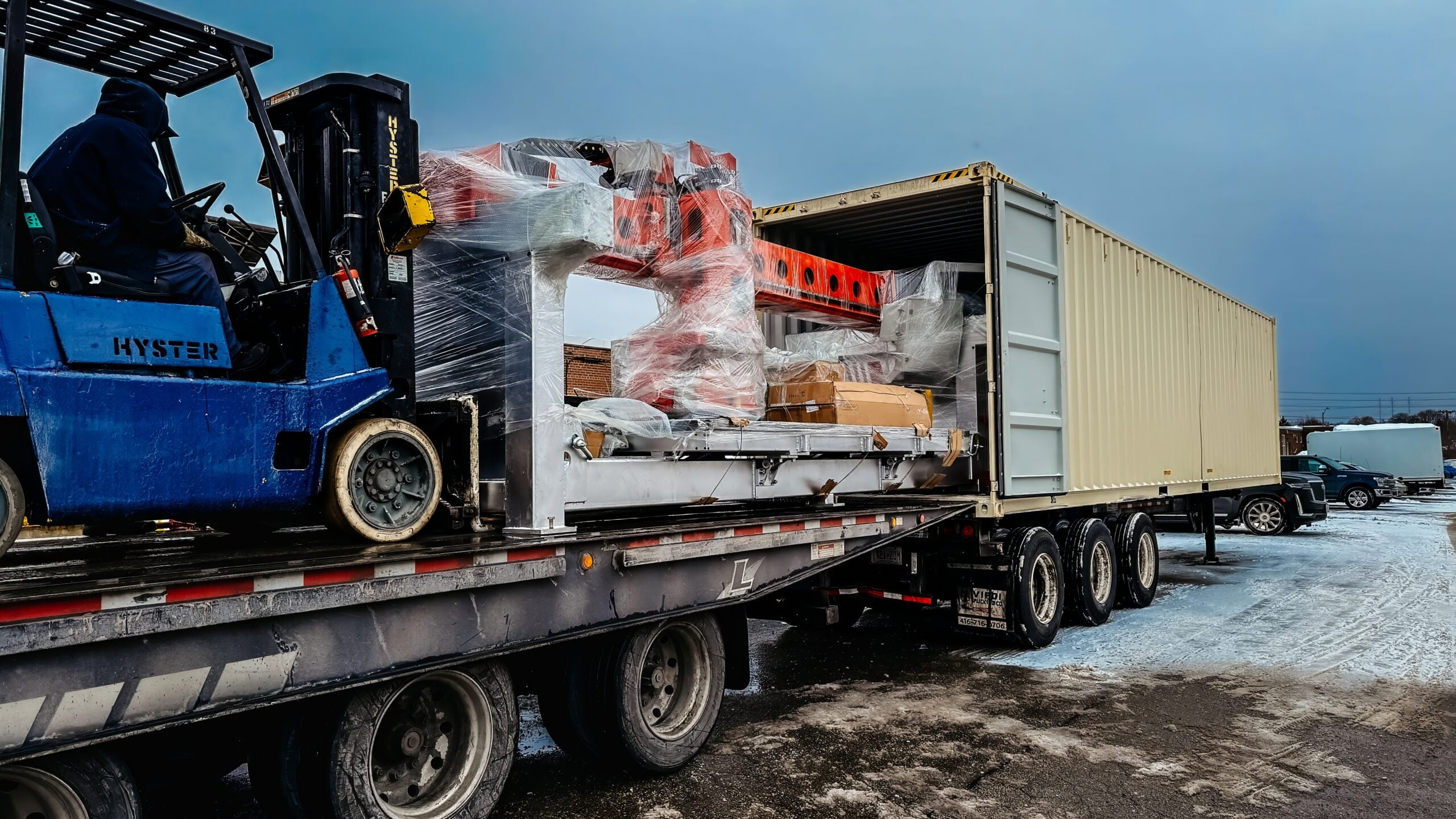
Naturally, winter tends to be the most difficult season for machinery movers. It’s the worst weather for the year, and that means you need to deal with a lot of challenges. While you can still move equipment during this season, it’s a good idea to schedule moves outside of the winter time. The challenges can include:
- Extreme cold, up to minus 40 degrees Celsius, means the lubricants, electronics, hydraulics, batteries and workers, all of them can deal with freezing issues. Naturally, you have to figure out ways to keep everything at the right temperature and avoid freezing, as it could become very problematic.
- Another thing to note here is that snow and ice accumulation can lead to hazards during transport, loading and rigging. Also, dealing with slippery surfaces increases the risk of accidents or even equipment damage.
- It’s important to note that day time is rather limited, winter days are short in the Northern Canada especially, so you have to plan for night time driving. Yes, driving during the night time in these regions is difficult and a challenge on its own, hence why you want to address that effectively.
- Also, you must think about ice roads. These routes across frozen rivers and lakes can be tricky, since you never know when these roads are not available.
Make sure that you use cold weather lubricants and hydraulic fluids, to avoid any issues. Also, provide heated shelters for equipment and workers, and schedule work around the daylight windows. If possible, also plan relocations so you can align with the ice road availability.
Preparing for every season and its unique challenges will surely make the machinery moving process a lot easier. The most important thing is to avoid any rush and ensure that you take every single challenge and situation seriously. It’s definitely going to work immensely, and it can provide much better results than expected. Plan along with your machinery movers, see what special methods you have to consider, and in the end, everything will be much easier to manage!