
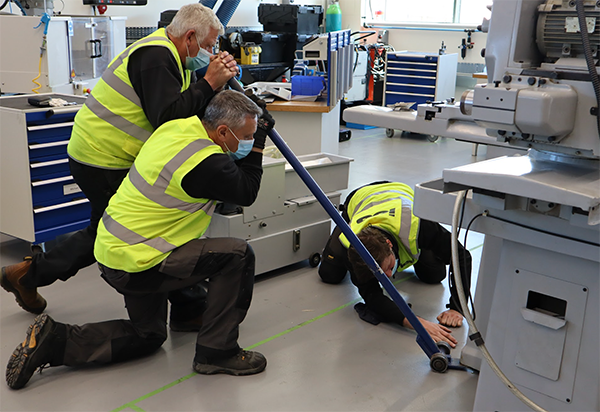
There are many situations when you have to remove or decommission old industrial machinery. For example, the old machines are replaced by new tech, the equipment is aged and inefficient, or you are scaling and using newer models is very much mandatory. However, dismantling, removing and decommissioning everything can be very challenging, and that’s exactly what you want to pursue here.
What does it mean to decommission old machinery?
It involves a lot of processes, with a true focus being on taking the industrial equipment apart and moving it way. Since it’s not economically viable to operate that machine anymore as it reached the end of life, you have to replace it. And in this case, you have to shut down the machine, disconnect any utilities, dismantle and remove components, transport equipment for disposal, resale and recycling as well.
Generally, old machinery that needs to be dismantled can include heavy manufacturing equipment, stamping machines and presses, etc. There can also be other machines too, such as generators, boilers, assembly lines and conveyors or anything of that nature. Approaching that wisely is crucial, and it will only make it better in the end.
Why is decommissioning mandatory?
While this is not always a necessity, it does become one due to a variety of reasons, as you will notice below:
- As the equipment ages, it will be less and less efficient. When that happens, the output is not as good, you will have to deal with all kinds of repairs, and the machines will use more energy. It’s just the better option to replace them properly.
- Workplace safety concerns also arise as the equipment is older. You have a much higher chance of breakdowns, accidents and hazards.
- Also, replacing the old equipment is better because it allows you to re-organize the layout, maybe even expand the operations and so on.
- Additionally, sometimes you will be forced to replace older machines due to regulatory compliance. In that case, using a company like SolidHook to dismantle and transport these pieces and replace them with new ones is very much a necessity.
- There’s also the environmental responsibility that you need to focus on. If you’re not disposing of the machinery in a rightful manner, that will lead to pollution. So you always have to focus on proper disposal, where possible.
How do you plan the decommission process?
A good idea is to follow the Decommissioning Handbook, which offers a lot of good insights into the process and how it should work.
- At first, you will need to do a site assessment. You need to check the weight and size of the equipment, and also how accessible the facility is. Then, you have to narrow down any structural limitations and hazardous materials that are in there, where possible.
- After that, you must do the risk assessment and safety planning. If there are any types of risks, you need to narrow down things like electrical shock, falling components, exposure to asbestos or chemicals, but also fire hazards. If there are such problems, you need to develop safety protocols before you begin the work, as it will help quite a lot.
- Therefore, it becomes mandatory to have a decommissioning schedule. You will need to create a schedule good enough to help you minimize any distractions, as that will help quite a bit.
- Moreover, you also need to gain the permits and documentation required. Documentation helps you stay compliant with regulations. And of course, in some cases, various removals will require permits. Those become a necessity, and something you have to consider in these use cases.
Shutting down the machines
Before you dismantle these machines, you need to shut down and disconnect them properly. In general, you need to do some power and utility disconnection. On top of that, you also have to follow the lockout and tagout procedures, but also perform the right drainage of fluids. That’s important, and it will only help make things better in the end.
Then, we go to the dismantling and disassembly process. You start with a partial disassembly, where the large machine gets dismantled into smaller sections, so you can better transport everything. Various components like the control panels, motors, belts, frames, those can be removed separately without a hitch, and that will help quite a bit.
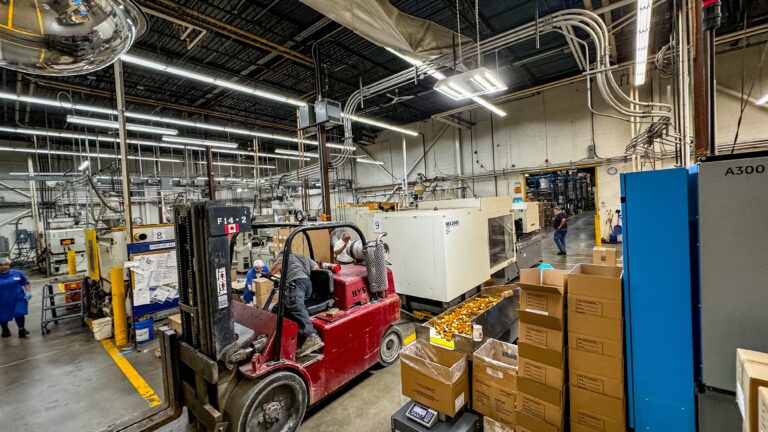
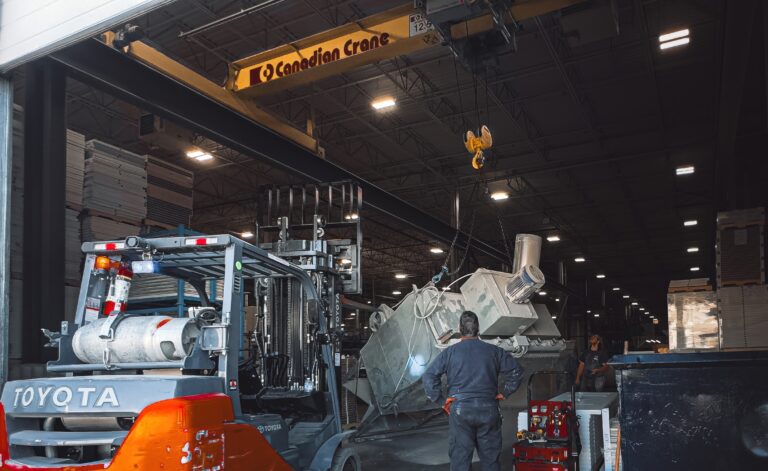
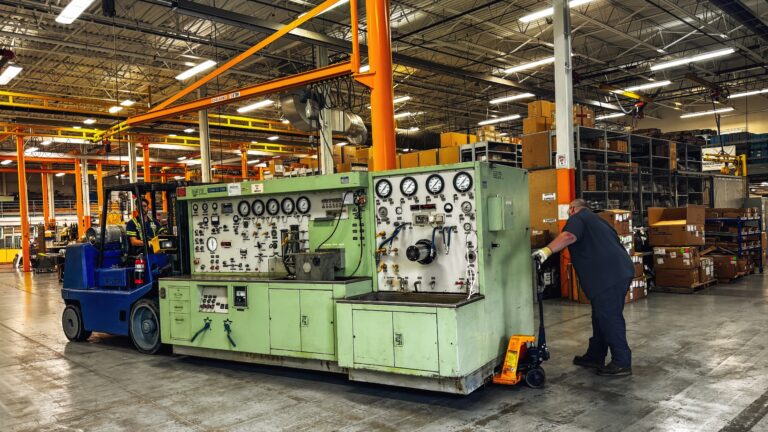
Removals sometimes require items like forklifts, cranes, rigging systems or even hydraulic jacks. And then, there are structural considerations, too. For example, there are machines bolted into floors, or maybe they are a part of the production lines. You will need to do some demolishing and cutting, which is not a simple process. But that has to be a part of the plan, so everything is handled in an appropriate manner.
Transporting the item away from the site
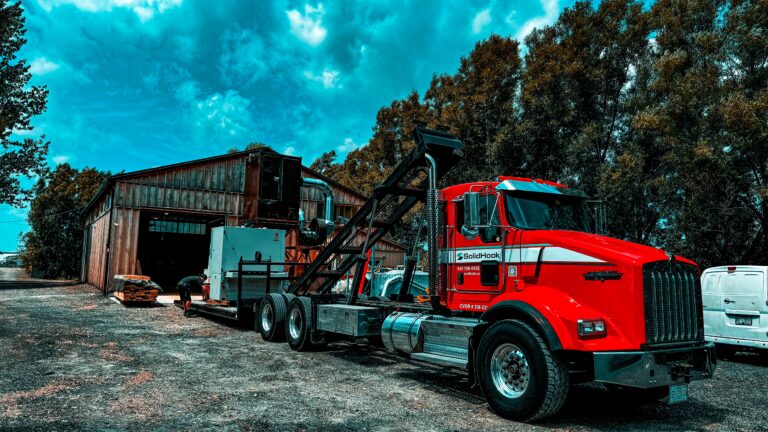
That’s where a good machinery moving service in Canada comes into play. You will need a team that can help with on-site handling, but also loading and hauling. When you are dealing with larger machinery like this, you must have specialized trailers, proper equipment, not to mention permits become mandatory in most of these situations.
Aside from that, you also need to perform some destination planning. In this case, you want to narrow down the destination, and create the adequate route plan that fits your needs. For example, these old machines can go to the scrap yard, to equipment resale markets, maybe recycling facilities or even a landfill. Having an adequate plan will help quite a lot.
Lastly, you have to consider disposal and recycling options. Since sustainability is such a major factor these days, recycling is usually the right way to go. Some machines can be reused by other companies, so it makes sense to sell them at a lower price, where possible. If you have hazardous waste, then you do need to hire a proper, licensed wasted disposal company to help with that.
Challenges you encounter in machinery removal
Even if you prepare to the best of your possibilities, there can still be quite a lot of challenges you encounter as you perform machinery removal. And some of the most common challenges include:
- Complex machine layouts will make machinery removal a lot more difficult than expected.
- Additionally, there are safety risks, since heavy machinery removal is dangerous, and you need PPE, training as well as supervision to do everything adequately.
- Environmental regulations matter quite a lot here. You must comply with the local and national regulations here.
- Additionally, this removal process is not free. It involves various costs that you have to deal with. And while that might not seem like much at first, it certainly adds up.
- Plus, aside from costs, you will also be dealing with time constraints as well.
Conclusion
It’s very difficult to decommission and also remove old machinery from your company. It’s a process that requires adequate planning, a lot of commitment and it’s quite costly as well. But in the end, it’s very important to get rid of these older machines properly and in an adequate manner. Doing that is not going to be easy, but if you manage it correctly, it can bring excellent results. That’s why it becomes crucial to work with a team that you can rely on, both for dismantling, but also transporting these old pieces of machinery.


Well I truly liked studying it. This post provided by you is very practical for correct planning.